We design and install heat and odour extraction for homes and businesses in Ghana, from cooker hoods in a family kitchen to extraction hoods in a busy restaurant, along with the ductwork and fume control that go with them.
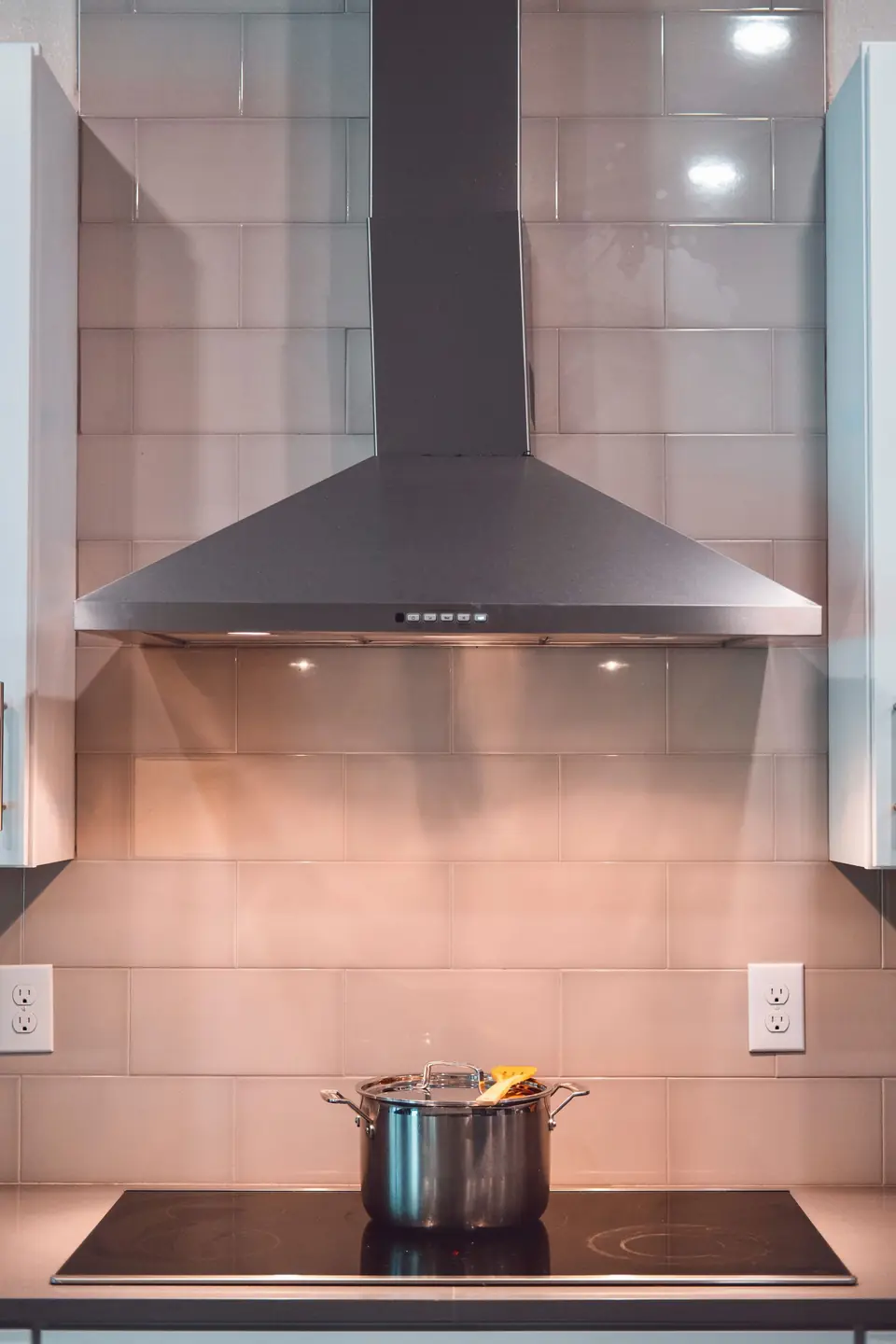
What does an extraction system include?
- Hood or capture point: placed where heat, steam, grease or fumes are produced.
- Filters: grease filters in kitchens, and activated carbon where odour must be treated.
- Ductwork and fan: sized to move the required air without excess noise.
- Discharge point: located so exhaust does not trouble neighbours or re-enter the building.
- Replacement air: air removed from a room has to be replaced, or the system underperforms.
Ducted or recirculating: which do you need?
| Ducted extraction | Recirculating | |
|---|---|---|
| How it works | Sends air outside through a duct | Filters air and returns it to the room |
| Removes heat and moisture | Yes | No |
| Removes odour | Yes, by removing the air | Yes, while its carbon filter is effective |
| Best for | Commercial kitchens and most homes where a duct is possible | Homes and apartments where ducting is not possible |
Who needs heat and odour extraction?
Commercial: restaurants, hotels, canteens, food production and workshops, where heat, grease and odour affect staff, customers and neighbouring premises.
- Domestic: homes that want cooker hoods which actually clear heat and cooking smells.
- Industrial: processes that give off fumes or odours and need them captured at source.
Frequently asked questions
Common causes are a clogged grease filter, an exhausted carbon filter, an undersized fan, long or restricted ductwork, or too little replacement air entering the room.
Particle filters do not. Odours are gases, so they need ducted extraction to the outside or an activated carbon filter.
Yes. We work on domestic and commercial heat and odour extraction systems.